
How to Fix a Prolapse Without Surgery: Practical Tools That Aren’t Just Kegels and Prayers
If you’ve been diagnosed with a pelvic organ prolapse — or even suspect you might have one — you’ve probably Googled this exact phrase:
“How to fix a prolapse without surgery.”
And you’re not alone. That search leads thousands of people down a rabbit hole of contradictory advice, scary stories, and frustrating misinformation.
So let’s clear things up. Can you fix a prolapse without surgery? Yes — depending on the severity, your symptoms, and what “fix” means to you.
Let’s dive into how pelvic organ prolapse can be treated conservatively — that is, without surgery — using real, evidence-informed strategies that help you feel supported and get you back to doing the things you love without symptoms.
BUT FIRST… If you need a review session, I’ve got you.
Can’t remember WHAT a prolapse actually is?
Check out: What Is a Prolapse? And What That Pressure, Bulge, or Weird Feeling Really Means
Need to be reminded WHY it happens?
Check out: Why Does Prolapse Happen? Turns Out, Your Pelvic Floor Has Receipts
Long Story Short: You’ve Got Options
Before we get into the how-tos, here’s the good news:
Yes, you can fix a prolapse without surgery — for many people, conservative treatment works at reducing progression and even regressing the prolapse itself.
You can absolutely reduce symptoms like heaviness, bulging, leaking, and discomfort.
You don’t have to live in fear of movement, sex, or sneezing.
Pelvic physiotherapy, pressure management, internal and external supports can change everything.
Let’s break it down.
1. Pelvic Physiotherapy: Your First Step to Feeling Less Droopy, Leaky, or WTF-y
Seeing a pelvic health physiotherapist is the most evidence-supported way to manage prolapse non-surgically. We don’t just throw Kegels at the problem — we assess your body, your symptoms, and your goals, and build a plan that works for you.
Diagnosing the type and severity of prolapse can also change how we treat and manage your symptoms, which is why it’s so important to have that information out of the gate.
What It Involves:
A full-body and pelvic floor assessment
Testing your muscle coordination, strength, and pressure habits
Education on how to move, lift, poop, and sneeze without making things worse
Real-time feedback, hands-on support, and guided exercises
Why It Works:
You might find it surprising that prolapse isn’t just about weak pelvic floor muscles. It’s often about a combination of factors such ast:
Poor pressure management
Lack of core-pelvic coordination
Pelvic muscle fatigue issues
Chronic constipation or straining
Postural habits
Hormonal changes and connective tissue changes
We help you address the root causes, not just the symptoms, and build from there.
Bottom line:
If you’re asking “how to fix a prolapse without surgery,” pelvic physio should be your first stop — not your last resort.
2. Pressure? I Don’t Even Know Her (But My Vagina Does)
Let’s talk pressure.
When we look at the deep core or core “canister” - think pelvic floor at the bottom, diaphragm at the top with your trans abs wrapping around the middle like a corset - we need to manage the pressure in there to make sure one end isn’t taking more oomph than the others.
Everything you do — lifting a baby, blowing your nose, coughing, even standing up — can alter pressure inside your abdominal cavity and within that core canister.
As you can imagine, pressure follows the path of least resistance, which is usually in the direction of gravity, aka towards your pelvic organs and pelvic floor muscles. When those muscles and tissues aren’t able to adequately support and meet the pressure demands, prolapse symptoms can appear or worsen.
So managing that pressure is key.
Helpful Strategies We Teach:
Breath mechanics: How to use your diaphragm to adequately mobilize your pelvic floor
Posture and alignment: Adjusting angles to reduce the amount of downward pressure
Toileting techniques: Avoiding straining, best mechanics for those poop vacations and improving constipation
Core coordination: How to engage deep core muscles without doming through abdominals or bearing down
Think of pressure inside that core canister — when you manage and diffuse the load, it’s easier to support your pelvic contents, especially with repeated exposures. This is essential if you want to fix a prolapse without surgery.
3. Internal Supports: Pessaries and Holding You Up From The Inside
Let’s be real: a prolapse can feel heavy, uncomfortable, and distracting — especially when you’re standing, walking, or active. That’s where internal supports like pessaries come in.
A pessary is a silicone device inserted into the vagina to support the pelvic organs. They come in different shapes and sizes and can be fitted by a qualified pelvic physio, OBGYN, or nurse trained in pessary care.
Who They're Great For:
People wanting to delay or avoid surgery
Those returning to fitness or high-impact movement
Parents chasing toddlers all day
Anyone needing relief from that “falling out” sensation
Pessaries can be put in or taken out if you need support for specific activities (ex: heavy weight lifting), or they can be left in and can be managed by your provider to manage, clean and reinsert regularly.
Types of Internal Supports:
A custom fit pessary is the gold standard for pessary care these can include:
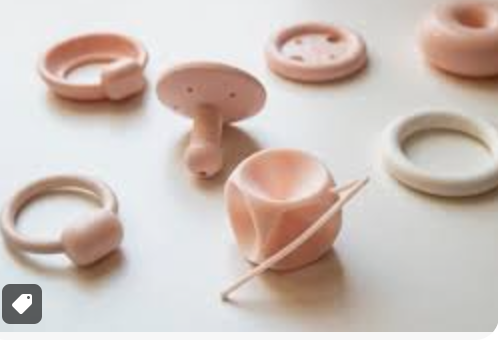
Ring pessary: Great for mild to moderate prolapse; can often be inserted/removed at home
Cube or Gellhorn pessaries: Provide more support for more significant symptoms
A variety of other shapes depending on needs and comfort
Over-the-counter options:
If you’re looking to simply “try” out what a pessary might feel like and don’t want to commit to the whole process and price, an over-the-counter option might be what you’re looking for.
Available products:

Poise impressa (Canada/ USA)
Revive bladder support (USA)
Contam (Europe)
Uresta (Canada)
Restifem (Europe)
You might be surprised at how much better your day feels when things are literally held in place.
4. External Supports: Not Your Grannie’s Girdle
Sometimes support from the outside can make all the difference — especially during activity, the postpartum period, or long days on your feet. I recommend the options listed below to all of my clients dealing with prolapse. Full disclosure, you’ll likely find that the cuter the garment, the more expensive… so proceed with caution.
These aren’t a substitute for treatment — but they can be a huge tool in your prolapse toolbox. Think of them like a sports bra for your pelvic organs.
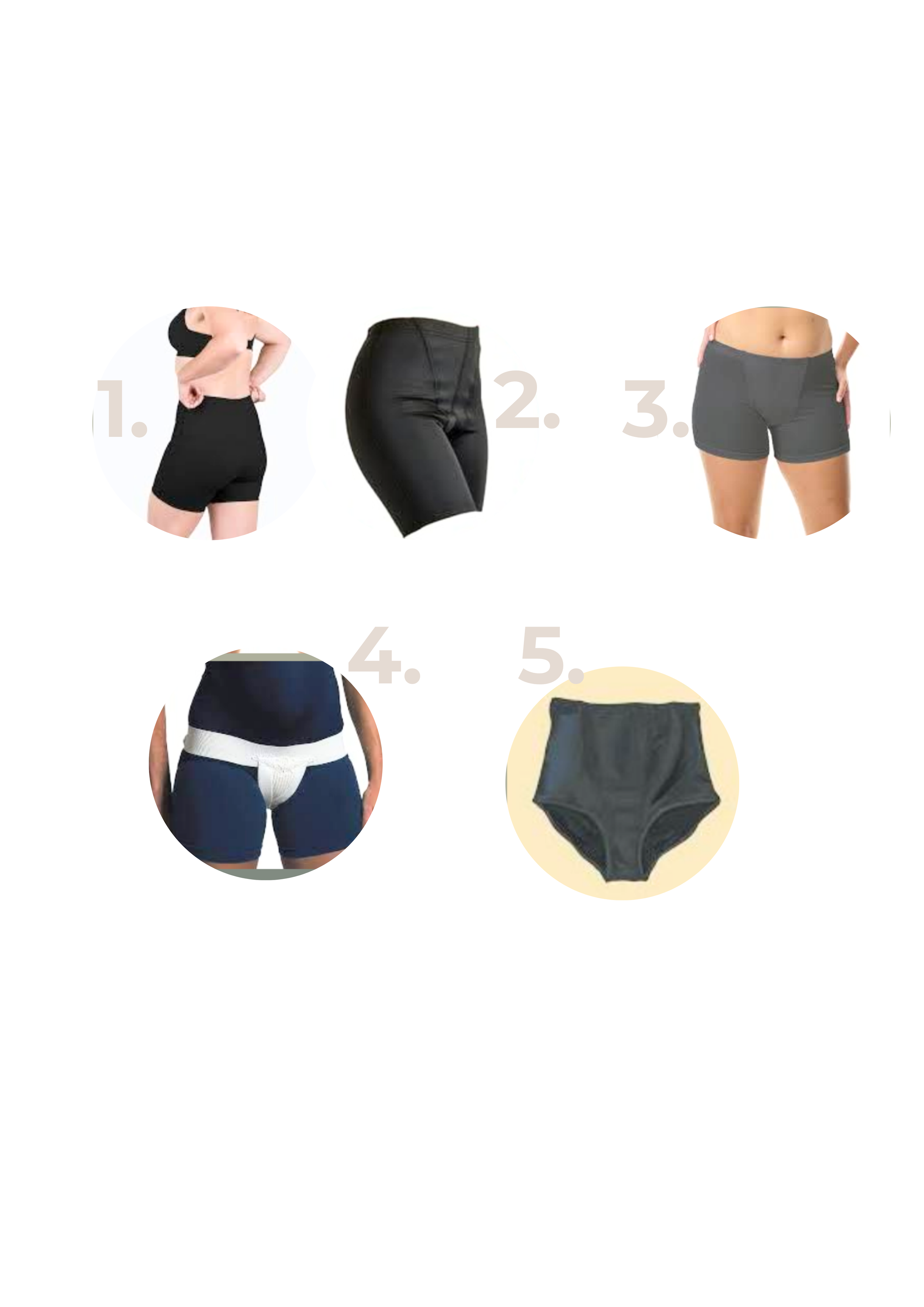
Popular External Options:
SRC Health Restore
EVB Prolapse shorts
Underworks Prolapse and Vulvar Varicosity shorts
It’s you babe V2 supporter
Hem support wear
When to Use External Supports:
During long walks or exercise
For symptom flare-ups
Early postpartum recovery
When returning to work, standing for long hours, or carrying kids/groceries/life
5. Lifestyle, Hormones, and Whole-Body Care
Pelvic health isn’t just about the pelvis.
Other Things That Matter:
Estrogen levels: Vaginal estrogen (prescribed by your doctor) can help improve tissue tone post-menopause or postpartum
Constipation management: Prolapse hates straining. We help you create a smooth pooping strategy.
Weight lifting or returning to impact: With good pressure management, you can return to lifting… but we may modify how and when.
Sleep, stress, and nutrition: Healing requires energy, repair, and resilience. We look at the whole picture.
Real Talk: What “Fixing” a Prolapse Really Means
Here’s the truth: “fix” doesn’t always mean “make it disappear entirely”
It means:
You feel better!
Your symptoms improve drastically or resolve entirely.
You’re not thinking about your vagina every hour of the day.
You can do what you love without fear or discomfort.
You feel strong and in control of your body again with strategies that keep you on the right path.
For some, conservative care eliminates symptoms entirely. For others, it manages things so well that surgery becomes unnecessary or is delayed for years or decades.
So when we say “how to fix a prolapse without surgery,” we mean:
Functionally achieving personal goals.
Symptomatically improved.
Emotionally supported.
And that’s a massive win.
Final Thoughts: You Have Options. You Have Power.
If someone told you surgery was the only option — they’re quite simply wrong. If someone told you to “just live with it” — they can kindly take their doom and gloom and waddle elsewhere.
The truth? You can fix a prolapse without surgery, especially with:
Pelvic physio
Pressure management
Internal and external supports
Whole-body care
And no, this doesn’t mean sacrificing any part of your life, movement, or confidence.
You are not broken. You are not alone. And help is absolutely out there — especially at a clinic like ours that gets it.
Want to Chat?
If you’re looking for a pelvic health physio who listens (and keeps it real) while helping you fix your pelvic floor, we’ve got you.
Reach out. You deserve to feel at home in your body again.
Here for you and your hive,
Laine
About the Author: Laine Wall
Hey Babe! Thanks for stopping by the Hive blog.

I am a Registered Pelvic Physiotherapist focusing on women’s health and perinatal and postpartum health. I love supporting women on their individualized pelvic health journey.
I am the owner and founder of a pelvic physiotherapy clinic called Hive Pelvic Health in Millbrook, Ontario, also offering virtual appointments for those residing anywhere in Ontario, Canada.
Have more questions? Get in touch with me.
Hive Pelvic Health is located in the township of Cavan-Monaghan, in Peterborough County. It is less than 20 minutes from Peterborough and 30 minutes from Durham region.
GET ON THE EMAIL LIST
Be the first to get the newest blog post straight to your email and to hear about other mother-loving resources.
